Kythera
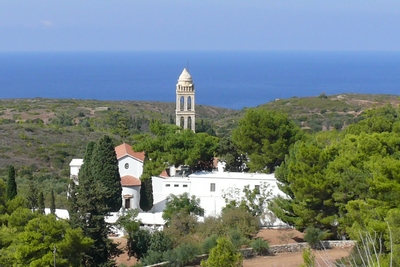
Peaceful and friendly Kythera




Peaceful and friendly Kythera
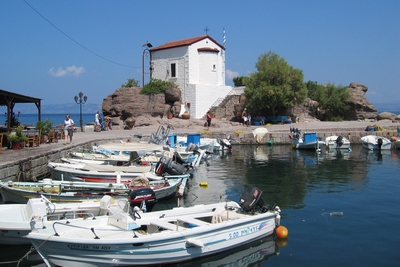
Lesvos is situated in the Aegean Sea off the Turkish coast. It is with its 1630 km² the third largest island of Greece. Lesvos has more than 11 million olive trees and they produce about 25,000 tons of olives per year. The island is known for its excellent ouzo, and several distilleries can be found on the island, especially in Plomari, the "ouzo capital" of Greece. On the island are clear traces of its eventful history, including a settlement from the Bronze Age, an ancient theatre, a Roman aqueduct, medieval fortresses, Turkish mosques and many monasteries and churches. Nature on Lesvos is beautiful and diverse with numerous caves, springs, streams, and small lakes. Bird watchers will love to see the over 250 species of birds, including purple herons, storks, and flamingos. The petrified forest is outstanding. This natural monument is unique in Europe. In the protected area are petrified trees of about 15 to 20 million years old. On Lesvos are thermal springs, with a water temperature of approximately 45 °C, used for the old and new baths here, well known for their wholesome effects. The 370 km long and irregular coastline is dotted with beautiful pebbly and sandy beaches with turquoise to deep blue waters.


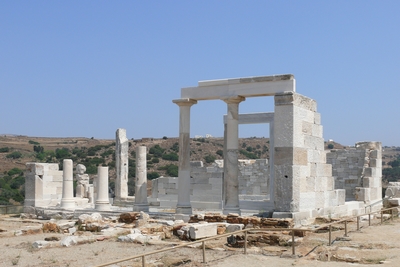
Naxos, the largest island of the Cyclades, is located approximately in the middle of the Cyclades archipelago in the Aegean Sea. The mighty mountain range, the Zas (1001 m) dominates the interior and can be seen from almost everywhere on the island. The island is ideal for walking and hiking. Especially Tragea Valley is a paradise for hikers. The villages are quaint, a bit hidden in the mountains and scattered along the coast. Naxos Town (or Chora) is the capital of the island and a typical Cycladic town with blocky white houses with doors and shutters painted in contrasting colours. Naxos is mentioned several times in Greek mythology and on the island obvious traces of the eventful history have been found, such as the famous Portara, the Apollo Temple, the Temple of Demeter and several Kouros sculptures. The island has beautiful large beaches and dunes along the coast and is very popular among windsurfers and kite surfers. The beautiful sandy beaches, the quaint villages, unspoiled nature, and the large number of sights make the island a wonderful holiday destination.


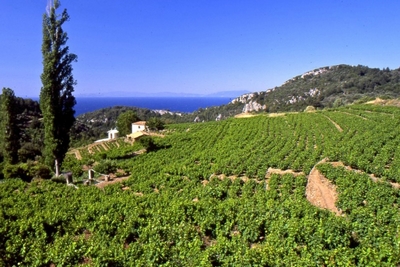
The philosopher Herodotus wrote in 460 BCE, when he lived in Samos, that it was here he found the three most impressive buildings of Greece. The city walls of Polycrates, 5 m high and about 3 m thick with 35 towers and 12 gates, the temple of Hera, where thousands of years the Hera cult has taken place and the 1,350 m long tunnel of Eupalinios that served as aqueduct. The island is also the place where Pythagoras came up with his famous Pythagorean thesis a² + b² = c². Samos has a nice capital and a real student city, Karlovassi, which is also the commercial centre of the island. The island is rich in villages and hamlets, which are spread throughout the island, on the coast and far into the rough countryside. The interior is characterized by mountains up to about 1,000 m. Samos is an island with many opportunities for young and old!